Safeguarding & Promoting Children's Welfare
At Tiny Toez our mission is to work with children, parents, carers and the community to ensure the safety of every child and give them the very best start in life. The welfare and wellbeing of every child in our care is our prime and absolute responsibility.
Statement of Intent
We firmly believe we have a duty to children, parents, carers and staff to act quickly and responsibly in any instance that comes to our attention. The nursery has a duty to report any suspicions of abuse to the local authority. The Children's Act 1989 (section 47) places a duty on the local authority to investigate such matters.
Our procedures are set out to fulfil local and national responsibilities as laid out in the local authority child protection procedures, the local safeguarding children's board procedure, and the document "What to do if you are worried a child is being abused" — a statutory requirement under the Children's Act 2006.
Our Aims
- To provide a safe and secure environment for all children.
- To create an environment which encourages children to develop a positive self-image regardless of race, language, religion, culture or home background.
- To enable children to have the self-confidence and vocabulary to resist inappropriate approaches.
- To work with parents and carers to build their understanding of and commitment to the welfare of our children.
- To address concerns at the earliest possible stage.
- To ensure adults close to children recognise their need and right to express and communicate their thoughts, feelings and ideas.
- To ensure adults can tune in to children's verbal signs and body language in order to understand what is being expressed.
- To respect children's rights and facilitate their participation in all aspects of care services in imaginative, child-centred ways.
- To support staff in recognising signs and symptoms of child abuse through training, building confidence in their own abilities.
Our Safeguarding Team
At Tiny Toez we have designated safeguarding officers responsible for overseeing all aspects of child protection. Either the designated lead, their deputy, or the third in charge will always be on site. In exceptional circumstances where all three are off site, they will be contactable by telephone.
Crystal Cuthbertson
Lisa Tinsley
Ashleigh Berry
Crystal Cuthbertson
Every individual member of staff also takes personal responsibility to observe, record and report any concerns they may have regarding a child protection issue — safeguarding is everyone's duty.
Recognising Signs & Symptoms of Abuse
Staff are trained to recognise the indicators of a range of abuse types. Click each section below to view the indicators our staff are trained to look for. This information is also available to parents and carers as part of our commitment to transparency.
Physical abuse may involve hitting, shaking, throwing, poisoning, burning or scalding, drowning, suffocating, or otherwise causing physical harm to a child — including by fabricating symptoms or deliberately causing ill health.
Physical Indicators
- Bruises and welts on body, face, upper arms, shoulders and neck — consistent with gripping or fingertip marks
- Cuts, abrasions and bite marks
- Fractures or sprains, particularly spiral fractures
- Abdominal or head injuries
- Burns or scalds, especially cigarette burns or burns from prolonged heat exposure
- Swelling and lack of normal use of limbs
- Untreated injuries or any serious injury with no explanation, or an inconsistent/conflicting explanation
Behavioural Indicators
- Unusually fearful with adults
- Unnaturally compliant to parents
- Refusal to discuss injuries or fear of medical help
- Withdrawal from physical contact
- Aggression toward others
- Wearing cover-up clothing
Emotional abuse is the persistent emotional ill-treatment of a child causing severe and persistent adverse effects on their emotional development. It may involve conveying that a child is worthless, unloved or inadequate; imposing age-inappropriate expectations; causing frequent fear; exploitation or corruption; or exposing children to domestic violence.
- Acceptance of excessive punishment
- Over-reaction to mistakes
- Continual self-deprecation
- Sudden speech disorders
- Fear of new situations
- Behaviours such as rocking, hair twisting and thumb sucking
- Self-mutilation
- Fear of parents being contacted
- Extremes of passivity or aggression
- Drug or solvent abuse
- Running away
- Compulsive stealing or scavenging
Sexual abuse involves forcing or enticing a child to take part in sexual activities, whether or not they are aware of what is happening. Activities may involve physical contact or may include exposure to pornographic material or being encouraged to behave in sexually inappropriate ways.
Physical Indicators
- Damage to genitalia, anus or mouth
- Sexually transmitted disease
- Unexpected pregnancy in very young girls
- Soreness in genital area, anus or mouth
- Unexplained recurrent urinary tract infections, discharges or abdominal pain
- Bruising around genital area
Behavioural Indicators
- Sexual knowledge inappropriate for age
- Sexualised or sexually provocative behaviour
- Sudden apparent changes in personality
- Lack of concentration, restlessness
- Socially withdrawn or overly compliant
- Aggressive behaviour
- Regressive behaviour, onset of wetting
- Onset of insecure, clinging behaviour
- Self-mutilation or self-disgust
- Eating disorders
Neglect is the persistent failure to meet a child's basic physical and/or psychological needs, likely to result in the serious impairment of their health or development — such as failing to provide adequate food, shelter, clothing, or responsiveness to a child's basic emotional needs. (Department of Health, 2003)
Physical Indicators
- Poor personal hygiene
- Poor state of clothing
- Emaciation, pot belly, short stature
- Poor skin tone and hair condition
- Untreated medical problems
- Head lice left untreated
Behavioural Indicators
- Constant hunger or tiredness
- Frequent lateness or non-attendance
- Destructive tendencies
- Low self-esteem
- No social relationships
- Running away
- Compulsive stealing or scavenging
It is Tiny Toez policy that any child under 6 months, or any non-mobile infant, who presents at the setting with bruising or minor injuries will be referred to social care.
Domestic abuse is any incident or pattern of controlling, coercive or threatening behaviour, violence or abuse between those aged 16 or over who are or have been intimate partners or family members, regardless of gender or sexuality. It can encompass psychological, physical, sexual, financial and emotional abuse.
- Kicking, hitting, punching or cutting
- Rape (including within a relationship)
- Controlling someone's finances by withholding money or stopping someone from earning
- Controlling behaviour — telling someone where they can go and what they can wear
- Not letting someone leave the house
- Reading emails, text messages or letters without consent
- Threatening to kill or harm someone or another family member or pet
Child-on-child abuse can include bullying (including cyberbullying), sexual violence and harassment, physical abuse, sexting, and initiation/hazing-type violence. Cyberbullying occurs on social networks, games and mobile phones and can involve spreading rumours or posting harmful messages, images or videos. Children may be targeted by someone known to them or by anonymous accounts.
- Almost all bullying takes place away from home, frequently in unsupervised areas
- Sending threatening or abusive text messages
- Creating and sharing embarrassing images or videos
- 'Trolling' — sending menacing or upsetting messages on social networks or in online games
- Excluding children from online games, activities or friendship groups
- Setting up hate sites or groups about a particular child
- Encouraging young people to self-harm
- Creating fake accounts or hijacking online identities
- Sending explicit messages (sexting)
- Pressuring children into sending sexual images or engaging in sexual conversations
Grooming is when someone builds an emotional connection with a child to gain their trust for the purposes of sexual abuse, exploitation or trafficking. It can happen online or face-to-face, by a stranger or someone the child knows. Many children do not understand they have been groomed or that what has happened is abuse.
- Texting, messaging or talking in code
- Wanting to isolate themselves, spending long periods alone
- Adding passcodes to their phone
- Becoming secretive
- Dressing provocatively
- Acquiring new clothes, money, mobile phones, jewellery or other expensive items unexpectedly
Secret texting codes to be aware of — the police have issued the following list of abbreviations that may be used by children communicating with potential groomers.
| Code | Meaning | Code | Meaning |
|---|---|---|---|
| LMIRL | Let's Meet In Real Life | WYCM | Will You Call Me? |
| Broken | Hung Over | WYBN | What's Your Real Name? |
| CU46 | See you for sex | Q2C | Quick To Cum |
| DOC | Drug Of Choice | RU/18 | Are You Over 18? |
| NIFOC | Naked in front of computer | RUMORF | Are You Male OR Female? |
| GNOC | Get Naked On Cam | RUH | Are You Horny? |
| GYPO | Get Your Pants Off | S2R | Send To Receive |
| IWSN | I Want Sex Now | MPFB | My Personal F*** Buddy |
| 53X | Sex | NALOPKT | Not A Lot Of People Know That |
| LH6 | Let's have sex | MOOS | Member Of The Opposite Sex |
| TDTM | Talk Dirty To Me | MOSS | Member(s) Of The Same Sex |
| B | Oral sex | MorF | Male or Female |
| SUGARPIC | Suggestive or erotic photograph | C-P | Sleepy |
| IPN | I'm posting naked | F2F | Face-to-Face / FaceTime |
| PAL | Parents Are Listening | HAK | Hugs And Kisses |
| PAW / PRW | Parents Are Watching | ILU | I Love You |
| PIR | Parents In Room | IWSN | I Want Sex Now |
| POS | Parents Over Shoulder | J/O | Jerking Off |
| 9 / CD9 | Parents are nearby | KOTL | Kiss On The Lips |
| 99 | Parents are gone | KFY / K4Y | Kiss For You |
| KPC | Keeping Parents Clueless | 459 | I love you |
| MOS | Mom Over Shoulder | ADR | Address |
| P911 | Parent Alert or Parent Emergency | AEAP | As Early As Possible |
| WTTP | Want to trade pictures? | ALAP | As Late As Possible |
| KOTL | Kiss on the lips | ASL | Age/Sex/Location |
| PRON | Porn | 143 | I love you |
| 420 | Marijuana | 182 | I hate you |
| ZERG | To gang up on someone | 1174 | Nude club |
| AF | As F**k | 1337 / L337 | Leet, a coded alphabet |
| WTF | What The F*** | KMS | Kill Myself |
| WUF | Where You From | KYS | Kill Yourself |
FGM comprises all procedures involving partial or total removal of the female external genitalia or other injury to female genital organs for non-medical reasons, as defined by the World Health Organisation. Staff are trained to recognise the signs and symptoms.
Any staff member with concerns can contact the NSPCC 24-hour helpline: 0800 028 3550
Physical Indicators
- Difficulties urinating or incontinence
- Frequent or chronic vaginal, pelvic or urinary infections
- Menstrual problems
- Kidney damage and possible failure
- Cysts and abscesses
- Complications during pregnancy and childbirth
Behavioural Indicators
- Difficulty walking, standing or sitting
- Spending longer in the bathroom or toilet
- Appearing withdrawn, anxious or depressed
- Unusual behaviour after an absence
- Reluctance to undergo normal medical examinations
- Asking for help but not being explicit about the problem
Breast ironing (also known as breast flattening) is the process whereby young pubescent girls' breasts are ironed, massaged or pounded using hard or heated objects to delay or prevent breast development. Staff are trained to recognise the indicators.
Any staff member with concerns can contact the NSPCC 24-hour helpline: 0800 028 0285
Physical Indicators
- Burns or scalds to chest area
- Bandaged chest area for a prolonged period
- Cysts
- Breast infections
- Formation of abscesses
- Malformed or eradicated breasts
Behavioural Indicators
- Unusual behaviour after an absence — depression, anxiety, aggression or withdrawal
- Reluctance to undergo normal medical examinations
- May ask for help but not be explicit about the problem
- Fear of changing for physical activities due to scars or bandages
Faith abuse, including practices relating to a belief in spirit possession and witchcraft, is often a hidden and under-reported crime that can have a significant impact on children.
- Hearing children talk about being evil, or using words such as kindoki, djinn, juju or voodoo
- A child's behaviour changing — becoming isolated, confused or withdrawn
- A child's appearance deteriorating, or constantly wearing specific items for "protection"
- A change in school attendance, or going abroad suddenly for a long holiday
- Noticing injuries
Cuckooing is when an individual or group takes over the home of an adult and/or their family for illegal activity, such as county lines drug trafficking, supplying drugs to the local community, or other criminal activity.
Property Indicators
- Increase in people entering and leaving the property
- Increase in cars or bikes outside
- Increase in anti-social behaviour
- Increasing litter outside
- Signs of drug use
- Lack of healthcare visitors
Behavioural Indicators
- Parents seeming nervous
- Children talking about parties at home with lots of new people
- Children showing a new interest in weapons such as guns or knives
- Family being consistently tired or fatigued
- Having more money than usual
- Signs of drug use
If a bruise is seen on a baby under 6 months of age, or any older child who is not yet independently mobile, the professional observing the bruise should always enquire as to the cause. A record must be made of the characteristics, position, and explanation given.
Staff will explore the explanation in detail — including the mechanism of injury, family history, environment, and the child's behaviour — as well as the possibility of a medical cause.
A bruise in a non-mobile baby or child where the cause has not been independently witnessed requires a safeguarding referral to the Local Authority Safeguarding Team. Parents and carers will be kept informed at every stage unless doing so would put the child at further risk.
Referral Procedure
If any practitioner has concerns about a child in their care, they must report it to the safeguarding lead and/or management immediately. The practitioner and safeguarding lead will then discuss and share concerns, and if it is thought the child is at risk of harm, the local authority designated child protection team will be contacted.
Details of how and who to refer to can be found on the setting's bespoke Safeguarding Flowchart, displayed within each nursery.
Allegations Against a Member of Staff
- The person reporting will contact the Local Authority Designated Officer (LADO).
- The LADO will decide the course of action and the setting will follow their guidance.
- Under no circumstances will the setting conduct an internal investigation unless specified by LADO.
- The allegation must be reported to Ofsted on 0300 123 1231.
- A referral to the Disclosure and Barring Service will be made if a staff member is dismissed or resigns due to harming or putting a child at risk.
See our Whistle Blowing Policy for the protection and support available to staff who raise a concern. If a parent or carer feels the nursery has not acted to protect a child, they should follow our Complaints Procedure.
E-Safety
We encourage children to use ICT equipment to further their development and skills, but we recognise that this brings risks. The following measures are in place to keep children safe online and to protect their privacy:
- All computers have virus protection software.
- Staff are not permitted to use computers for personal use without prior management permission.
- Children only have access to programmes suitable for their age.
- Computers are accessible to children but always in view of practitioners.
- Staff are not permitted to use personal mobile phones or personal cameras within nursery rooms.
- Staff interact with children during ICT use to support and educate safe usage.
- All photos taken for observations and displays are stored securely in the nursery office or in individual assessment files.
See our E-Safety Policy and Mobile Phone Policy for further information.
Visitors & Contractors
Visitors and contractors do not work unsupervised at any Tiny Toez setting and are accompanied by a suitable staff member at all times. We record the details of all visitors and take steps to ensure no unauthorised person has unsupervised access to children.
All visitors are asked to leave their mobile phone and any camera devices in the office, which is kept locked. If a visitor needs to use their phone to be contacted by their workplace, this is only permitted in a safe area such as reception, and must be witnessed by a staff member.
Mobile Phones, Smart Watches & Cameras
- Mobile phones and smart watches are not permitted to be used anywhere within the nursery.
- Staff mobile phones are stored as per the Mobile Phone Policy during working hours.
- Parents and carers are politely asked not to use mobile phones within the nursery building.
- All visitors' phones and smart watches capable of photography are kept in the office during their visit.
- On outings, staff carry the nursery mobile phone which has no camera function.
- Photos and videos of children are taken only on nursery cameras or tablets, and used for display, observations and assessment.
- Photos used for marketing purposes are only ever taken with prior written permission from parents and carers.
- The only photos taken by anyone other than nursery staff are those by pre-arranged professional photographers at parents' request.
Information Sharing & Confidentiality
All information shared is in accordance with the Data Protection Act 2018 and the Human Rights Act 1998. We recognise that parents and carers have a right to know their information will be treated as confidential, and will always be informed of the circumstances when we are obliged to share it.
We are obliged to share confidential information without authorisation when it is in the public interest — specifically when:
- There is evidence that a child is suffering, or is at risk of suffering significant harm.
- There is reasonable cause to believe a child may be suffering or at risk of significant harm.
- Sharing is necessary to prevent significant harm to a child or serious harm to an adult, including the prevention, detection and prosecution of serious crime.
All suspicions and investigations are kept strictly confidential and shared only with those who need to know, under the guidance of the local safeguarding children's board.
Record Keeping
Record keeping systems comply with the Data Protection Act 2018, GDPR recommendations and the Human Rights Act 1998. The following types of records are maintained:
Observations, photographs and work samples. Kept in childcare rooms and freely contributed to by staff and parents.
Admission forms, enrolment forms, permission slips and concerns. Kept in a locked filing cabinet in the office.
Registration, staff files and procedure documentation. Confidential and accessible only to authorised personnel.
Safe Recruitment
All staff at Tiny Toez are committed to providing high-quality care. Every member of staff is rigorously checked for suitability before being permitted to work with children.
- All applicants complete a full application form and attend an interview with the management team.
- A minimum of two references are required, at least one from a current or most recent employer, followed up for authenticity.
- Relevant qualification documents must be provided — a recognised childcare qualification at Level 3 or above, alongside English GCSE or Functional Skills Level 2.
- An enhanced DBS check is carried out for every successful applicant before they begin work.
- No staff member is left unsupervised until all documentation has been received and verified.
- All new staff complete a three-part induction across their first month, in line with Working Together to Safeguard Children 2018.
- Students and volunteers are supervised at all times by a nominated qualified staff member.
- Relief and bank staff follow the same recruitment procedure as permanent staff.
Regular supervisions and appraisals take place for all staff to discuss progress, any issues, and training or qualifications staff wish to undertake.
A nursery family built around care, trust and happy childhoods
At Tiny Toez, we believe children thrive when they feel safe, understood and excited to explore. Our nurseries are warm, welcoming spaces where little ones can build confidence, make friends and enjoy learning through play every day.
A Safe Place to Grow
Calm, caring environments where children feel secure, settled and supported.
Warm, Nurturing Care
Kind, experienced teams who get to know every child as an individual.
Learning Through Play
Fun, meaningful activities that encourage curiosity, independence and imagination.
Over 20 years of helping children feel safe, happy and ready to thrive
Tiny Toez has grown from a passion for nurturing early years care into a trusted nursery family supporting children, parents and communities across the Midlands and London.
Every nursery has its own local feel, but they all share the same Tiny Toez values: warm relationships, safe spaces, playful learning and genuine care for every child.
Childcare that feels personal, supportive and full of opportunity
From the first visit to every milestone after, our teams work closely with families to make nursery life feel calm, happy and reassuring.
Experienced nursery teams
Friendly, qualified staff who understand how to help children settle, grow and shine.
Strong parent partnerships
Clear communication, regular updates and a joined-up approach between nursery and home.
Local nurseries with heart
Each setting has its own community feel while sharing the same Tiny Toez values.
Learning through play
Creative, age-appropriate activities that build confidence, curiosity and independence.
Every child deserves a happy start
Choosing a nursery is one of the most important decisions a family can make. That's why we focus on creating environments where children feel secure, valued and excited to learn every single day.
Through caring relationships, engaging activities and strong partnerships with parents, we help children build confidence, independence and a genuine love of discovery.
Book A VisitA little look inside Tiny Toez
See the smiles, activities, celebrations and everyday moments from across our nursery family.
We are on Facebook

Did you know? 📣
Staffordshire County Council have updated their flowchart for childcare funding options, making it much easier to see what support you might be entitled to! 👶✨
Whether you’re looking into funded hours for working parents (from 9 months to 4 years old), universal 15 hours for 3–4 year olds, or Think2 funding, here is how to check your eligibility and claim:
How to Claim Your Funding:
1️⃣ Check what you can get: Visit the government’s Childcare Choices website (childcarechoices.gov.uk) or Staffordshire County Council’s childcare page to view the new flowchart.
2️⃣ Apply for your code: If applying for Working Parent Entitlement or Think2 funding, complete your application online to receive your unique eligibility code.
3️⃣ Take your code to your childcare provider: Give your code, along with your National Insurance number and child’s date of birth, to your nursery, pre-school, or childminder so they can verify it.
4️⃣ Reconfirm every 3 months: Don't forget—if you're on the Working Parent Entitlement, you must reconfirm your details via your online account every 3 months to keep your funding active! 🗓️

0 CommentsComment on Facebook

The Tigers had an amazing time today! The children shared so many creative ideas, from baking cakes to adding animals to the messy play tray and so much more. 🐯🍰🎨 #creativity #play #childrensclothing


1 CommentsComment on Facebook
The children in the Tiger group had such a blast participating in water play today! 🐯💦☀️ #children #waterplay #fun


0 CommentsComment on Facebook
Explorers room headed out on a nature walk to our local park today, where we had a great time collecting conkers and other natural treasures! 🍂🌳✨ #explorers #nature #park #conkers


0 CommentsComment on Facebook

🍂🌿 Autumn Adventures at Tividale Park! 🌿🍂
Our pre-school children had a wonderful autumn adventure. We wrapped up warm and headed out on an exciting autumn hunt to explore what nature had to offer. 🍁
They enjoyed searching high and low for colourful leaves, twigs, conkers and pinecones 🌰🍂🌿, collecting lots of wonderful natural treasures to bring back to nursery.
We’ll be using our finds in our loose parts play, mark making, art and craft activities, giving the children opportunities to explore, create and use their imaginations with natural resources. 🎨✨
#TividalePark #AutumnHunt #OutdoorLearning


0 CommentsComment on Facebook
⚽ KICKSTART YOUR WEEK WITH FOOTBALL FUN! ⚽
Did you know that every week, our little superstars take to the field for our high-energy, fun-filled Weekly Football Sessions? 🏃♂️🏃♀️✨
It’s so much more than just kicking a ball around—our sessions are specially designed to help children build confidence, make friends, and stay active while learning the fundamentals of the game! 🏆
Here’s why the children love our football sessions:
🌟 Confidence & Teamwork: Children learn to encourage each other, share, and work as a team.
👟 Motor Skills & Coordination: Fun drills and games develop balance, agility, and body awareness.
😁 All Smiles & High Fives: Designed for all skill levels, ensuring every child feels like a champion!
🧠 Focus & Discipline: Following simple rules and instructions through engaging, age-appropriate games.
Watching the children beam with pride when they score a goal or master a new skill is the highlight of our week! ❤️


0 CommentsComment on Facebook
Kind words from our Tiny Toez families
Real feedback from parents helps new families feel confident when choosing the right nursery.


The new nursery manager has been an absolute breath of fresh air. Since taking over, their fresh leadership, approachable nature, and clear vision have made a noticeable difference across the entire setting. Communication with management is warmer, more transparent, and proactive, making us as parents feel completely supported and involved.
The dedicated practitioner team continues to excel under this renewed direction. The room environments are engaging, organised, and nurturing, with activities carefully tailored to each child's individual needs. Daily photo updates and progress tracking via the app give us complete peace of mind while at work.
Our child has grown tremendously in confidence, communication, and independence. We are so grateful to the new manager and staff team for creating such a thriving, high-quality setting. We highly recommend them!









Special shout out to Jackie who had both our babies from early on. Sophie, Jon, Moo and Ro x

Overall a fantastic nursery, he skips into the nursery and looks forward to every day he goes there, which as a parent is the most important thing. The nursery staff have been excellent from when he was 12 months old to now 3 years old in developing his life skills, vocabulary, learning ability etc.
The classrooms are large with plenty of things for the children to do and the playgrounds are also very good.
I would have no hesitation in recommending Tiny Toez.
CHILDCARE FUNDING
Help with Childcare Costs
Many families are eligible for government-funded childcare and support schemes. Here’s a quick guide to what may be available.
15 Hours Funded Childcare
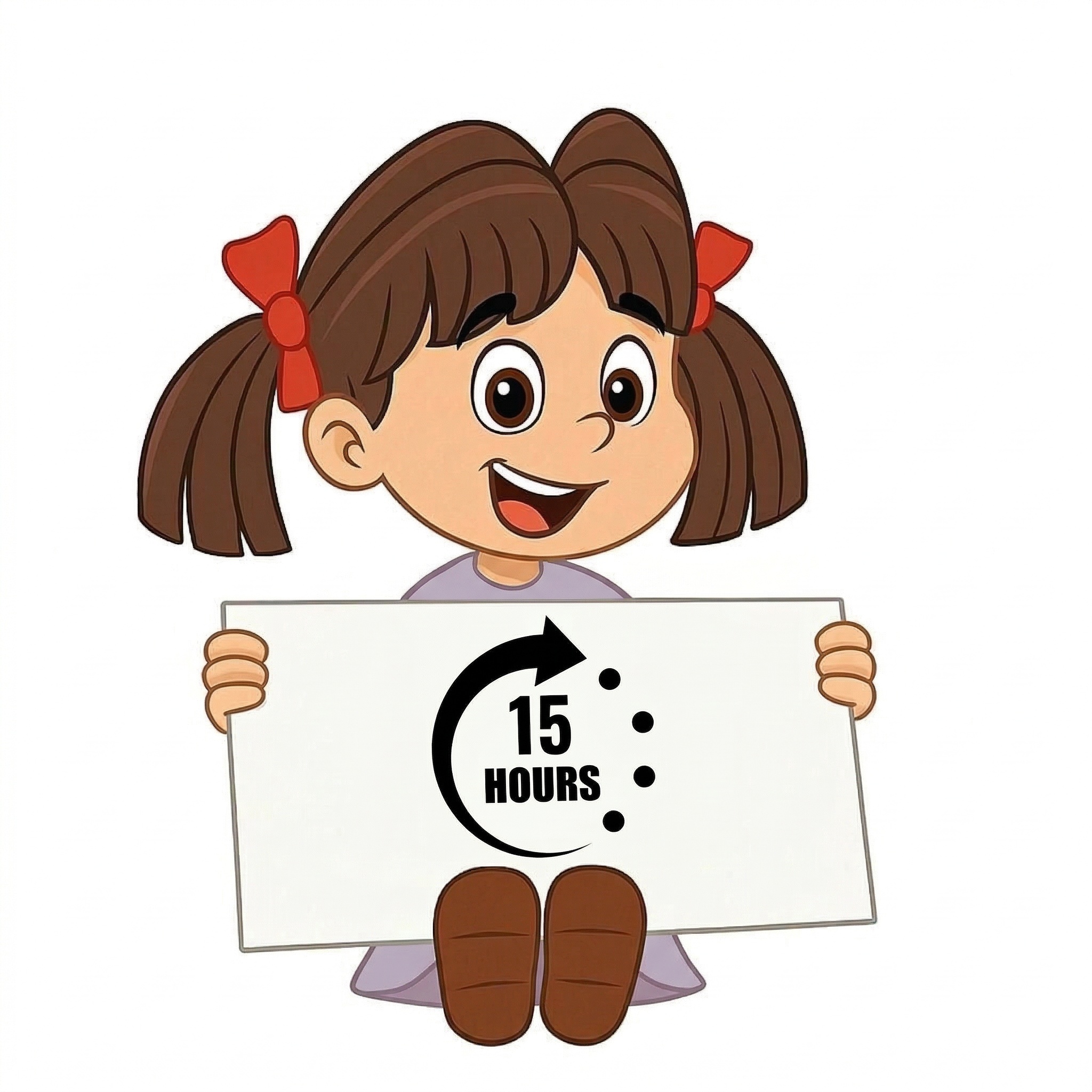
Families in England with children aged 3 to 4 years can access 15 hours of funded childcare per week during term time.
30 Hours Funded Childcare
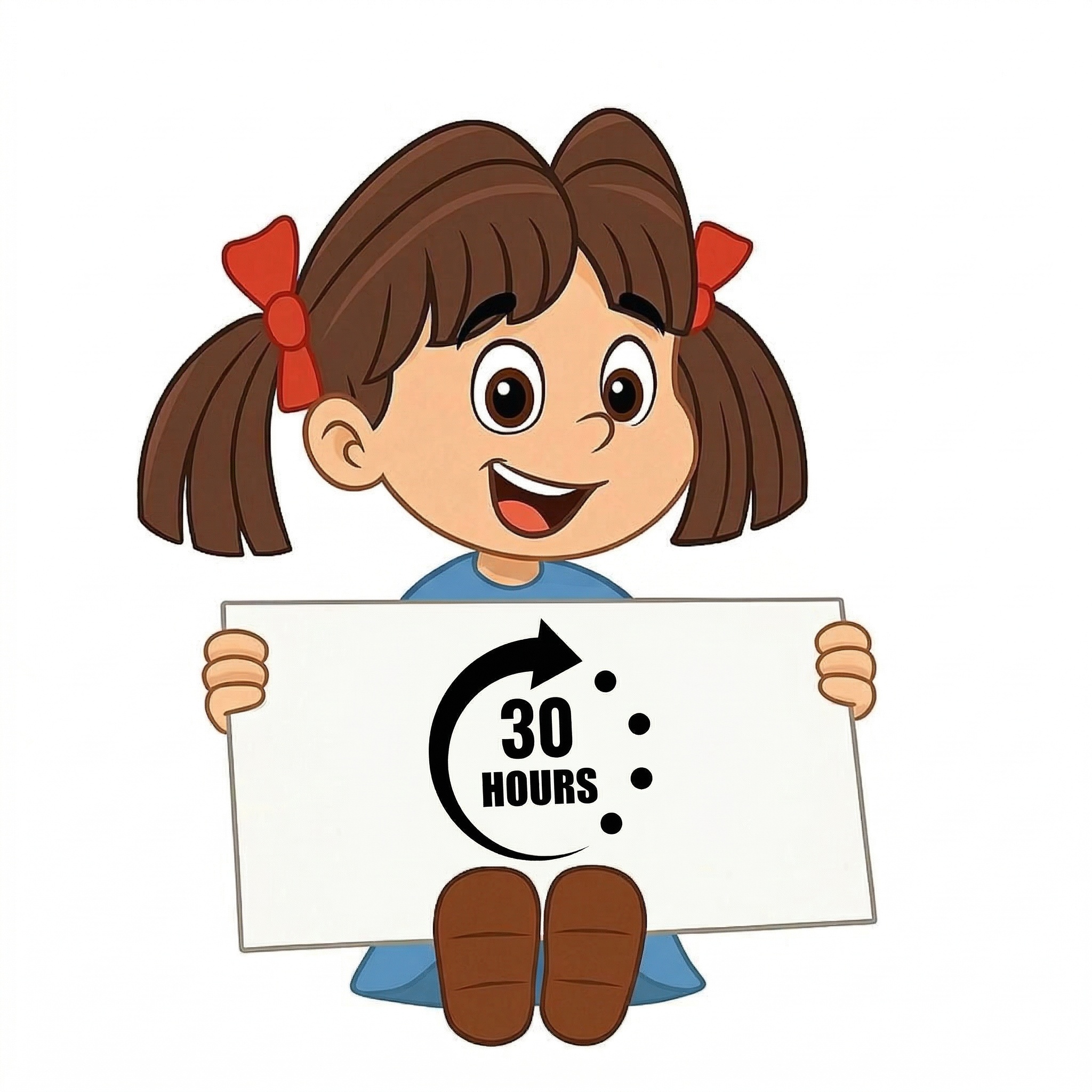
Eligible working families may be able to access up to 30 hours of funded childcare for children aged 9 months to 4 years.
Help with Childcare Costs
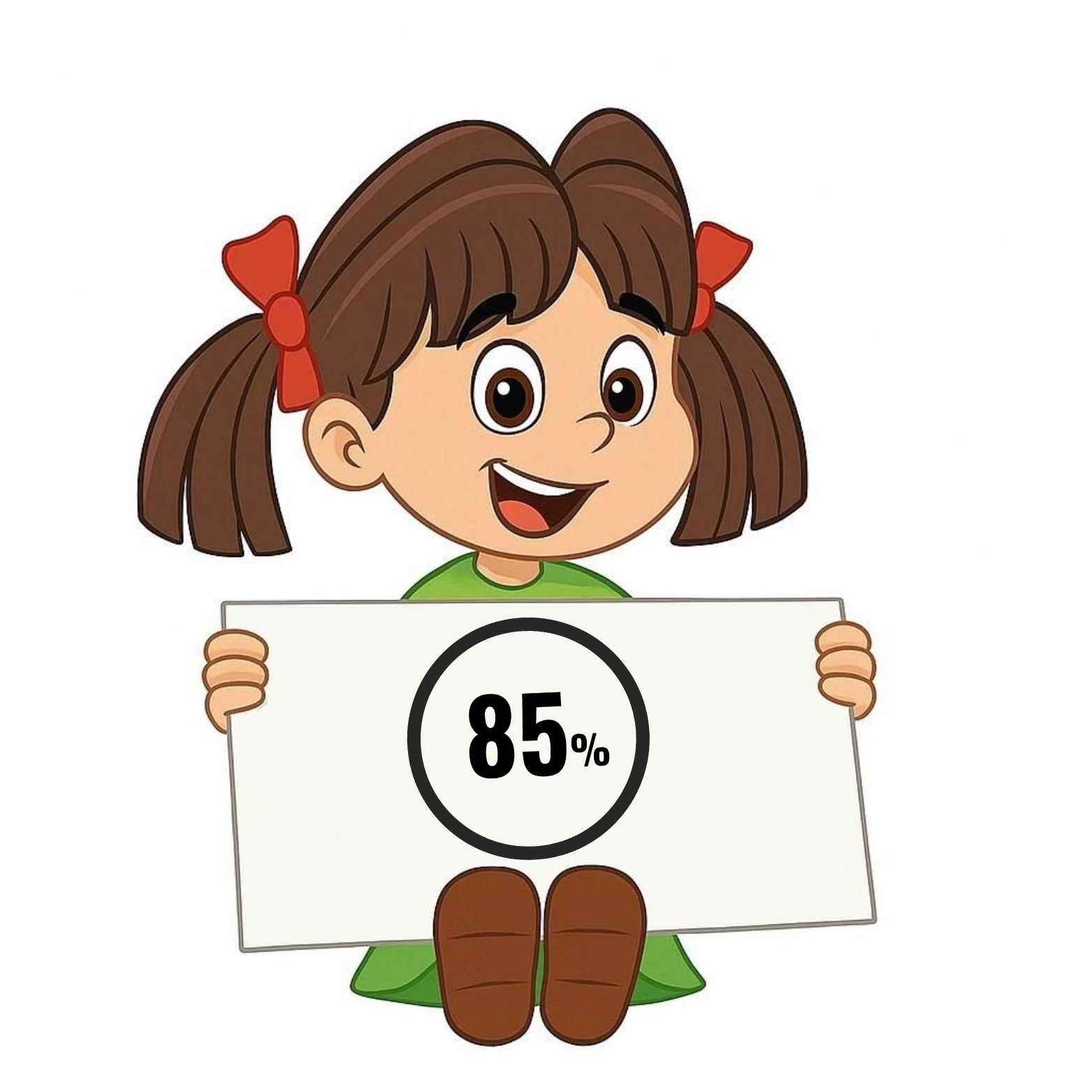
You may be able to reduce childcare costs through Tax-Free Childcare or claim back up to 85% through Universal Credit.
Our Nursery Locations
East Valley, Sneyd Green, Stoke-On-Trent, ST1 6HT
Our East Valley nursery in Stoke-on-Trent offers a welcoming, purpose-built environment where children can learn, play, and grow. We provide high-quality early years education for children aged 0–5 in a safe and nurturing setting.
Westfield, Normacot, Stoke-on-Trent, ST3 4RF
Our Westfield nursery provides a caring and inclusive environment, supporting children of all abilities to thrive. With a strong focus on development and wellbeing, we help every child build confidence and independence.
Treehouse, Bentilee, Stoke-on-Trent, ST2 0HW
Treehouse is a vibrant and engaging setting where children are encouraged to explore, learn, and develop through play. Our experienced team create a fun and supportive space that prepares children for their next stage.
East Staffs., Burton On Trent, Stafford, DE14 2NJ
Our East Staffordshire nursery combines professionalism with a warm, friendly atmosphere. We support children’s development through structured learning and creative play in a safe environment.
Cannock Chase & Hednesford, Cannock, Staffs, WS11 5BU
Located in Cannock Chase, this nursery offers a stimulating environment where children can grow and learn with confidence. Our dedicated team focus on delivering high-quality care and early years education.
Tamworth, Basin Lane, Tamworth, B77 2AH
Our Tamworth nursery features bright indoor spaces and engaging outdoor areas to support every stage of development. We create a balanced environment where children can learn, play, and build independence.
Tipton & Tividale, Tividale Street, Tipton, DY4 7SD
Tividale provides a welcoming and well-equipped environment where children feel safe, happy, and supported. We offer a wide range of activities designed to encourage curiosity, learning, and confidence
Lords & Ladies, Stourport, Worcestershire, DY13 8RJ
Lords & Ladies is a well-established nursery offering a warm and caring setting for young children. With a focus on development and wellbeing, we help children grow in confidence and independence
Hunter House, Hazel Grove, Feltham, TW13 4DN
Our Hunter House nursery in London provides a nurturing environment designed to inspire a lifelong love of learning. We support each child’s development through engaging activities and personalised care
👉 Our Staffordshire Nurseries
- East Valley
- Westfield
- Treehouse
- East Staffs
👉 Our Midlands Nurseries
- Cannock Chase
- Tamworth
- Tividale
- Lords & Ladies
Want to find out more book a tour today?